
Joachim Trier, a prominent figure in contemporary cinema, has gained recognition for his unique storytelling style and profound thematic explorations. Born in 1974 in Oslo, Norway, Trier has become one of the leading voices in Norwegian cinema. His films often delve into the intricacies of human relationships, existential dilemmas, and the subtleties of life’s emotional landscape. This article will provide a comprehensive overview of Trier’s filmography, highlighting his artistic vision and the recurring themes that define his work.
Early Career and Breakthrough
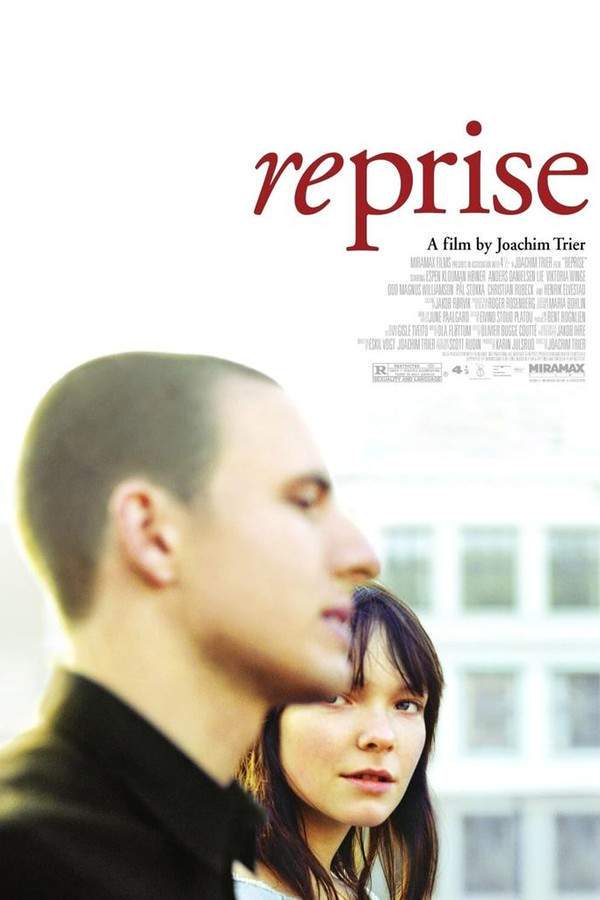
Trier’s cinematic journey began with his short films, which laid the groundwork for his directorial style. His first feature film, Reprise (2006), marked a significant turning point in his career. The film explores the lives of two aspiring writers, delving into themes of ambition, creativity, and the fragility of mental health. It received critical acclaim and established Trier as a filmmaker to watch.
- Reprise (2006): A narrative that intertwines friendship, rivalry, and existential inquiry.
- Oslo, August 31st (2011): A poignant look at addiction and redemption.
Reprise’s success can be attributed to its innovative narrative structure and Trier’s ability to capture the emotional nuances of his characters. The film employs a non-linear storytelling method, juxtaposing moments of joy and despair, which became a hallmark of Trier’s filmmaking style.
Defining Themes in Trier’s Work
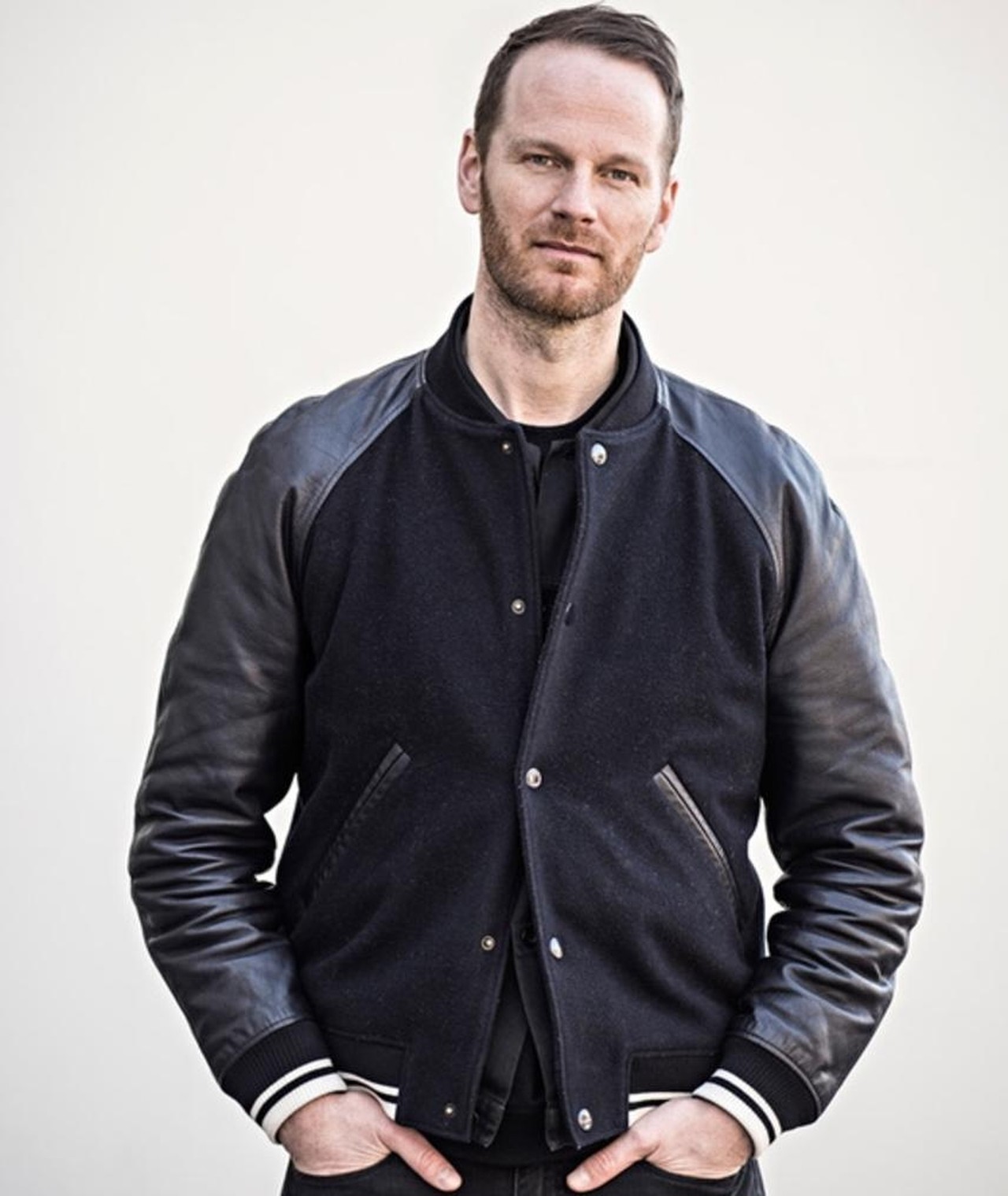
Trier’s films are characterized by several recurring themes that resonate deeply with audiences. Some of the most significant themes include:
- Existentialism: Trier often explores the human condition, examining life’s meaning and the struggles faced by individuals.
- Isolation and Connection: Many of his characters grapple with feelings of loneliness and the desire for meaningful connections.
- The Impact of Trauma: Trier’s narratives frequently delve into the psychological effects of trauma and how it shapes identity.
These themes are not only prevalent in his narratives but also reflected in his use of visual storytelling. Trier employs a distinctive style that combines realism with a poetic sensibility, effectively immersing viewers in the emotional landscapes of his characters.
Key Films and Their Impact
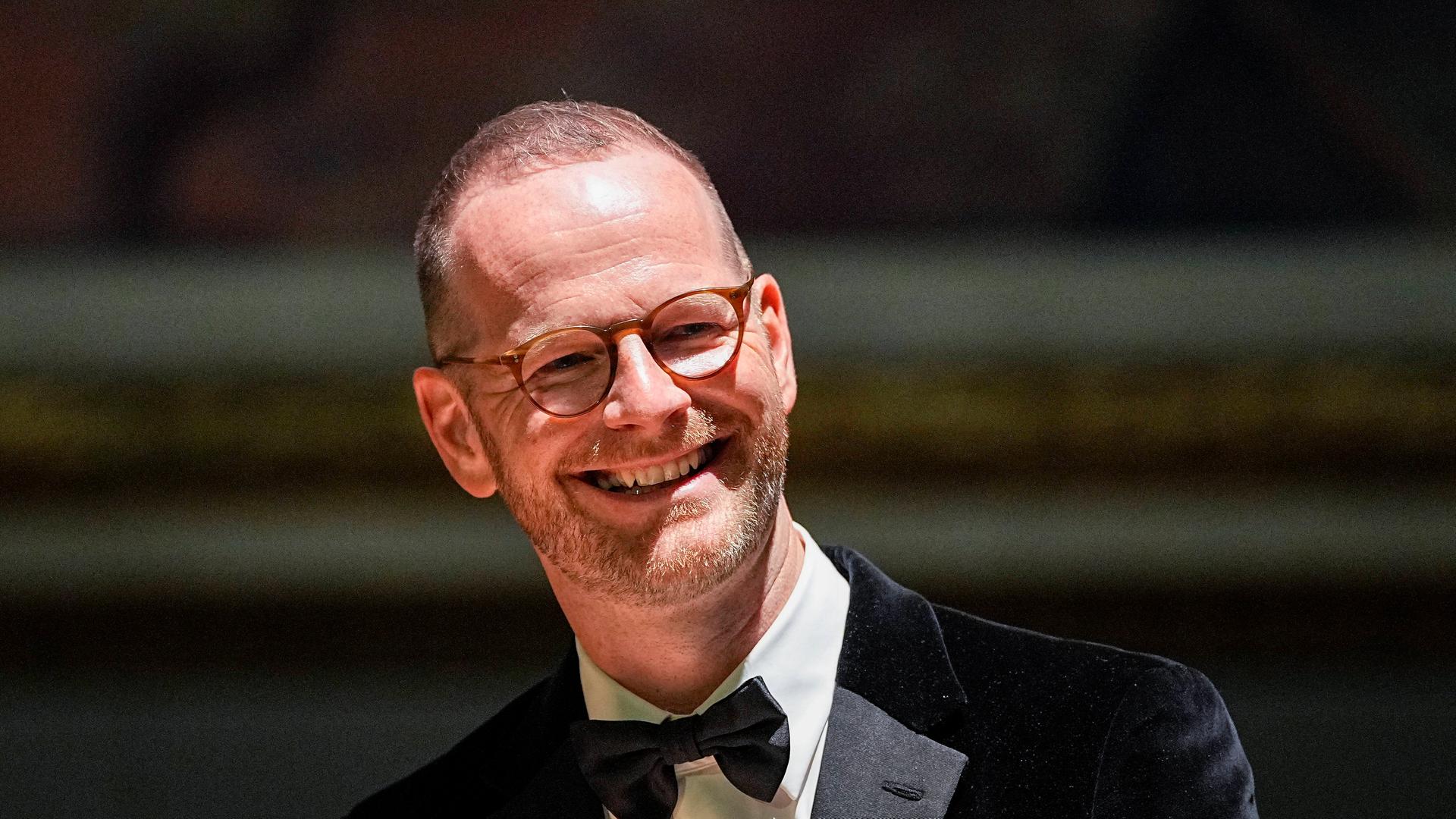
Throughout his career, Trier has created several noteworthy films that have garnered both critical and commercial success. Here are some of the key works that illustrate his cinematic vision:
1. Oslo, August 31st (2011)

This film serves as a profound exploration of addiction and the quest for redemption. Following a day in the life of Anders, a recovering addict, the narrative unfolds against the backdrop of Oslo, showcasing the city as both a character and a setting. Trier’s ability to capture the protagonist’s internal struggle is evident in the film’s contemplative pacing and striking cinematography.
2. Louder Than Bombs (2015)
Louder Than Bombs marks Trier’s first English-language film, featuring an impressive cast including Jesse Eisenberg and Isabelle Huppert. The film examines the complexities of family dynamics and the lingering effects of grief. Trier’s nuanced approach to storytelling allows for a rich exploration of how trauma influences relationships, making it a poignant study of human connection.
3. Thelma (2017)

Thelma is a departure from Trier’s earlier works, blending elements of horror and fantasy with his signature thematic concerns. The film follows a young woman who discovers her supernatural abilities while grappling with her sexual identity. Trier’s exploration of repression and self-discovery is both haunting and beautifully rendered, showcasing his versatility as a filmmaker.
Collaborations and Influences
Joachim Trier has collaborated with a range of talented actors, cinematographers, and writers throughout his career. His frequent collaborator, cinematographer Jakob Ihre, has played a crucial role in shaping the visual aesthetic of Trier’s films. Their partnership has resulted in a distinctive visual style characterized by:
- Natural lighting that enhances the realism of the narrative.
- Thoughtful framing that emphasizes the emotional states of characters.
- A focus on urban landscapes that reflect the inner turmoil of the protagonists.
Additionally, Trier has cited several filmmakers and literary figures as influences on his work, including:
- Andrei Tarkovsky: Known for his poetic approach to cinema.
- Ingmar Bergman: A master of existential themes and character-driven narratives.
- Francois Truffaut: Celebrated for his focus on personal storytelling.
These influences are evident in Trier’s films, which often blend personal narratives with universal themes, creating a rich tapestry of human experience.
Critical Reception and Awards

Trier’s films have received numerous accolades and nominations, underscoring his impact on the global film landscape. Some notable achievements include:
- Winning the Un Certain Regard prize at the Cannes Film Festival for Oslo, August 31st.
- Nominations for the Best Foreign Language Film at the Academy Awards.
- Recognition at various international film festivals, including Toronto and Sundance.
The critical reception of Trier’s films often highlights his ability to evoke deep emotional responses from viewers. Critics have praised his storytelling prowess and his capacity to tackle complex themes with sensitivity and nuance.
Future Directions and Upcoming Projects
As of 2023, Trier continues to be an influential figure in cinema. His upcoming projects hint at further explorations of existential themes and human relationships. With a reputation for pushing boundaries and challenging audience expectations, Trier’s future works are highly anticipated by both critics and fans alike.
His commitment to storytelling that resonates on an emotional level ensures that his films will continue to provoke thought and discussion. As he evolves as a filmmaker, audiences can expect to see a blend of new thematic explorations alongside the signature elements that have defined his career thus far.
Joachim Trier’s cinematic vision is a compelling reflection of the human experience, marked by profound emotional depth and existential inquiry. Through his innovative storytelling, Trier has crafted a filmography that resonates with audiences worldwide. From his early works like Reprise to the thought-provoking narratives of Thelma and Louder Than Bombs, Trier’s films challenge viewers to confront the complexities of life, love, and loss.
As a filmmaker, Trier continues to push boundaries, exploring new themes while remaining rooted in his unique artistic voice. His contributions to cinema not only highlight the richness of Norwegian film but also elevate the global cinematic landscape. As he embarks on new projects, audiences eagerly await the next chapter in his evolving body of work, confident that it will continue to inspire and provoke meaningful conversations about the intricacies of human existence.