
The world of cinema is a complex tapestry woven with various techniques that work together to enhance storytelling. “Perdida,” a gripping film that explores themes of loss, mystery, and the quest for truth, utilizes an array of cinematic techniques that not only elevate its narrative but also immerse the audience in its emotional landscape. This article delves into the key cinematic techniques used in “Perdida,” examining how they contribute to its overall impact.
The Power of Cinematography
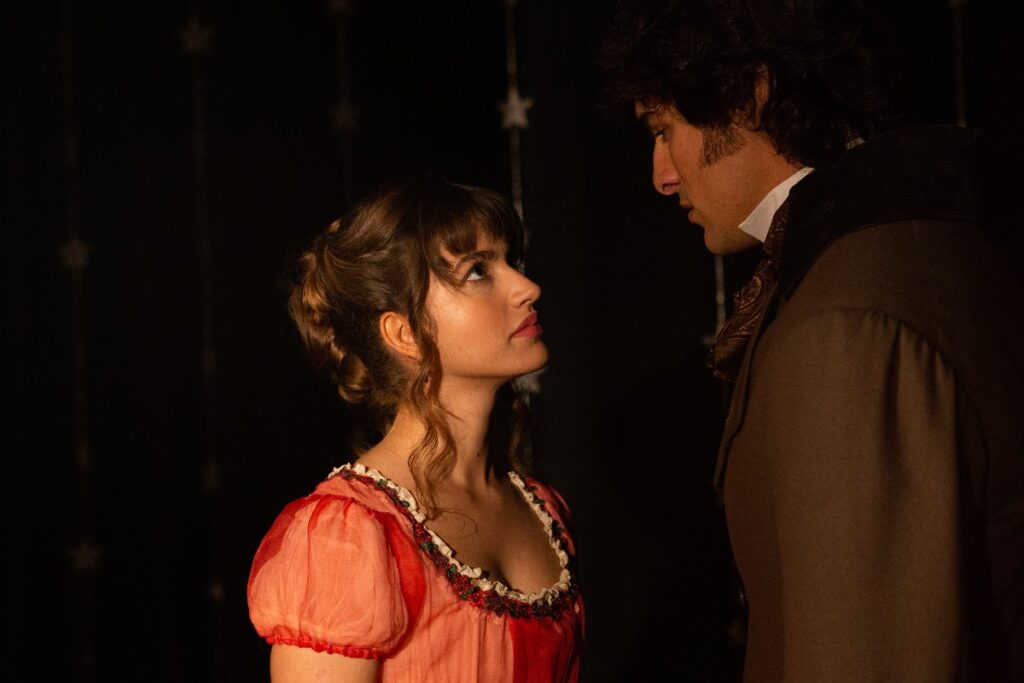
Cinematography is crucial in setting the tone and atmosphere of a film. In “Perdida,” the cinematographer employs various techniques to create a visually compelling experience. Here are some notable aspects:
- Color Palette: The film uses a muted color palette dominated by blues and grays that symbolizes melancholy and tension. This choice not only reflects the protagonist’s emotional state but also creates a somber mood that pervades the film.
- Camera Angles: Low-angle shots are often used to portray characters in moments of vulnerability, while high-angle shots create a sense of isolation. This dynamic between angles enhances the emotional weight of the narrative.
- Depth of Field: Selective focus techniques draw attention to key characters or objects, emphasizing their importance in the storyline. This technique is particularly effective during pivotal moments when the protagonist is faced with critical decisions.
For instance, during scenes where the protagonist searches for clues about her lost loved one, the camera shifts focus from her to the surrounding environment, highlighting her isolation and desperation.
Editing Techniques That Shape Narrative Flow
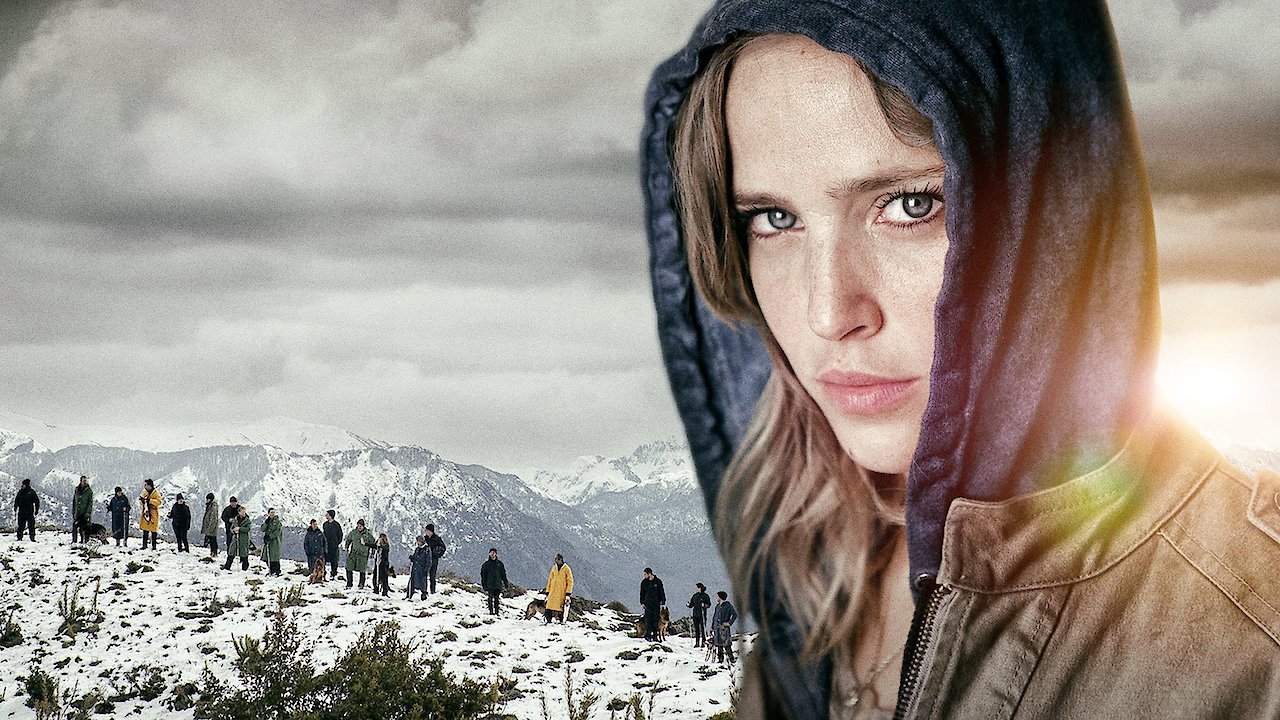
The editing process is essential in determining the pace and rhythm of a film. In “Perdida,” the editor employs various techniques to maintain suspense and engage the audience:
- Cross-Cutting: This technique intersperses scenes from different timelines, creating a sense of urgency. By juxtaposing the present with flashbacks, the audience is kept on the edge of their seats as they piece together the protagonist’s backstory.
- Montage: Quick cuts during moments of tension help to build suspense. For example, the rapid succession of images showing the protagonist’s frantic search for clues intensifies the emotional stakes, making viewers feel her urgency.
- Rhythmic Editing: The pacing of the edits matches the emotional tone of the scenes. Slower cuts during reflective moments allow audiences to absorb the weight of the character’s grief, while faster cuts during action sequences heighten excitement.
These editing choices create a seamless narrative flow that keeps the audience engaged, propelling them through the protagonist’s emotional journey.
Sound Design: The Unseen Character

Sound design is often an overlooked aspect of filmmaking, yet it plays a pivotal role in establishing mood and enhancing storytelling in “Perdida.” The film utilizes sound in various ways:
- Ambient Sounds: The use of natural sounds, such as rustling leaves or distant traffic, immerses the audience in the film’s environment, making the world feel more real and relatable.
- Soundtrack: The score is carefully curated to reflect the emotional state of the characters. Melancholic melodies punctuate moments of sorrow, while more intense music underscores scenes of conflict.
- Silence: Strategic use of silence can be just as powerful as sound. Moments of silence often accompany significant revelations, allowing audiences to process the gravity of the situation.
For example, a pivotal confrontation scene is underscored by a tense musical score that heightens the emotional stakes, while moments of quiet reflection are punctuated by silence, allowing the audience to connect with the protagonist’s internal struggles.
Acting and Character Development
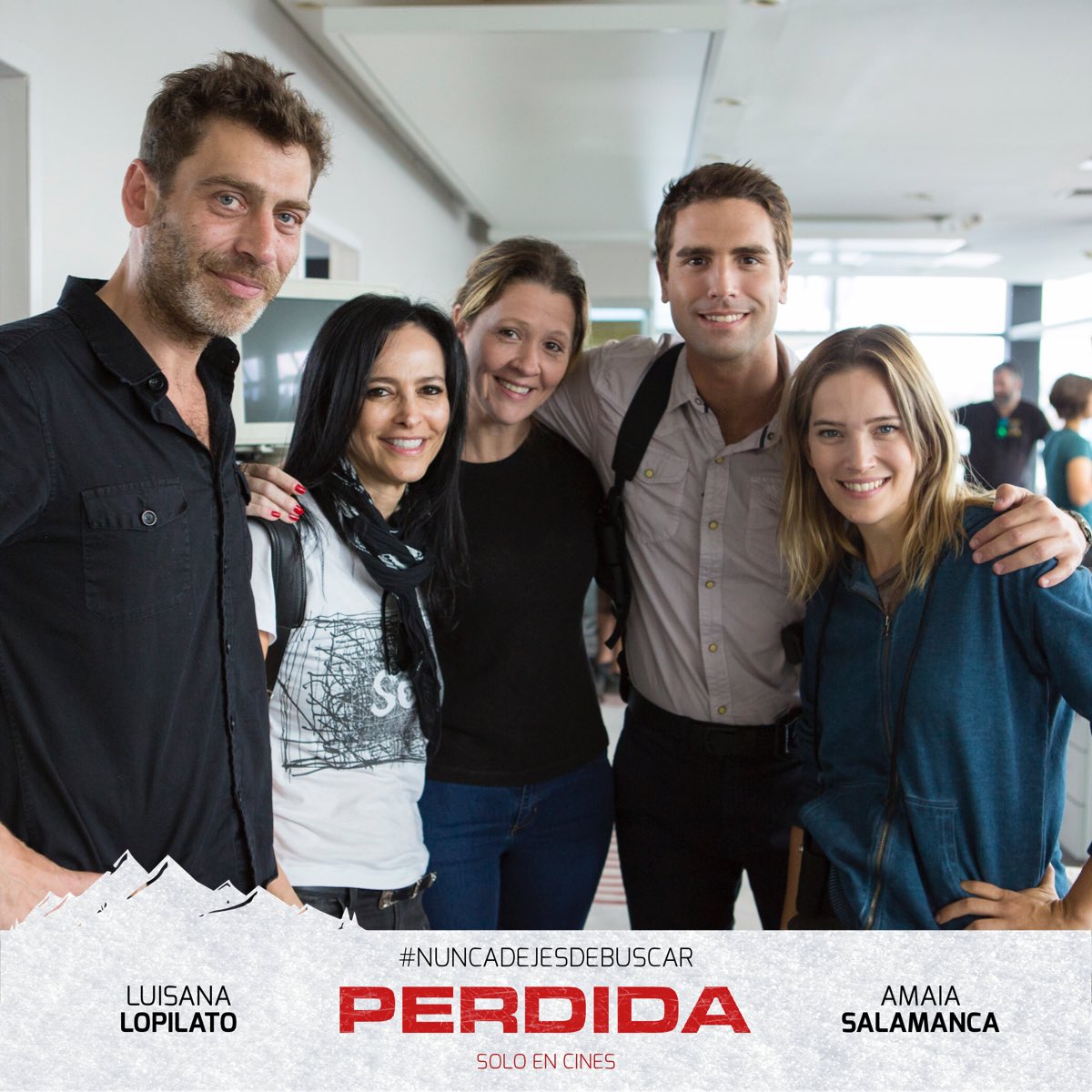
The performances of the cast are integral to bringing “Perdida” to life. The actors employ various techniques to convey depth and authenticity:
- Body Language: Subtle gestures and posture communicate a wealth of information about the characters’ emotional states. The protagonist’s slumped shoulders and hesitant movements reflect her inner turmoil and vulnerability.
- Facial Expressions: Close-ups capture the nuances of the characters’ emotions, allowing the audience to empathize with their struggles. A single tear or a quivering lip can speak volumes about a character’s state of mind.
- Dialogue Delivery: The way actors deliver their lines—be it through a shaky voice or a calm demeanor—can greatly impact the audience’s perception of the character. The protagonist’s conflicted emotions are effectively portrayed through her dialogues, which range from desperate pleas to moments of fierce determination.
These acting techniques collectively create a multifaceted portrayal of the characters, making their journeys relatable and deeply resonant.
Symbolism and Visual Metaphors

Symbolism plays a crucial role in enriching the narrative of “Perdida.” Visual metaphors are employed throughout the film to communicate deeper meanings:
- Recurring Imagery: Objects such as a worn-out photograph or a broken compass symbolize the protagonist’s lost direction and the weight of her memories. These images recur at critical moments, reinforcing their significance.
- Environmental Symbolism: The settings themselves often reflect the emotional landscape of the characters. Dark, confined spaces symbolize their psychological struggles, while expansive landscapes represent moments of clarity and hope.
- Color Symbolism: As noted earlier, the use of specific color palettes correlates with emotional states. Darker hues reflect despair, while brighter tones emerge during moments of hope or revelation.
This use of symbolism and visual metaphors enriches the narrative, inviting viewers to interpret the film on multiple levels.
The Art of Storytelling in “Perdida”
In conclusion, “Perdida” is a masterclass in cinematic storytelling, employing a range of techniques that work harmoniously to create a poignant narrative. From the evocative cinematography and expertly crafted editing to the immersive sound design and powerful performances, every element contributes to the film’s emotional depth. By utilizing symbolism and visual metaphors, “Perdida” invites audiences to engage with its themes on a deeper level, making it a compelling exploration of loss and the search for truth.
As viewers, we are reminded of the power of cinema to evoke emotions, provoke thought, and foster connections. “Perdida” not only tells a story but also exemplifies the artistry of filmmaking, demonstrating how various cinematic techniques can come together to create a rich and immersive experience.