Joachim Trier: A Unique Voice in Contemporary Cinema
In the ever-evolving landscape of contemporary cinema, few filmmakers manage to carve out a distinctive voice while also resonating deeply with audiences. Joachim Trier, a Norwegian director and screenwriter, stands as a remarkable exception. With his thoughtful narratives and nuanced character development, Trier has established himself as one of the most compelling storytellers of his generation. This article explores Trier’s unique cinematic style, his thematic preoccupations, and the impact he has had on modern filmmaking.
A Brief Overview of Joachim Trier’s Career
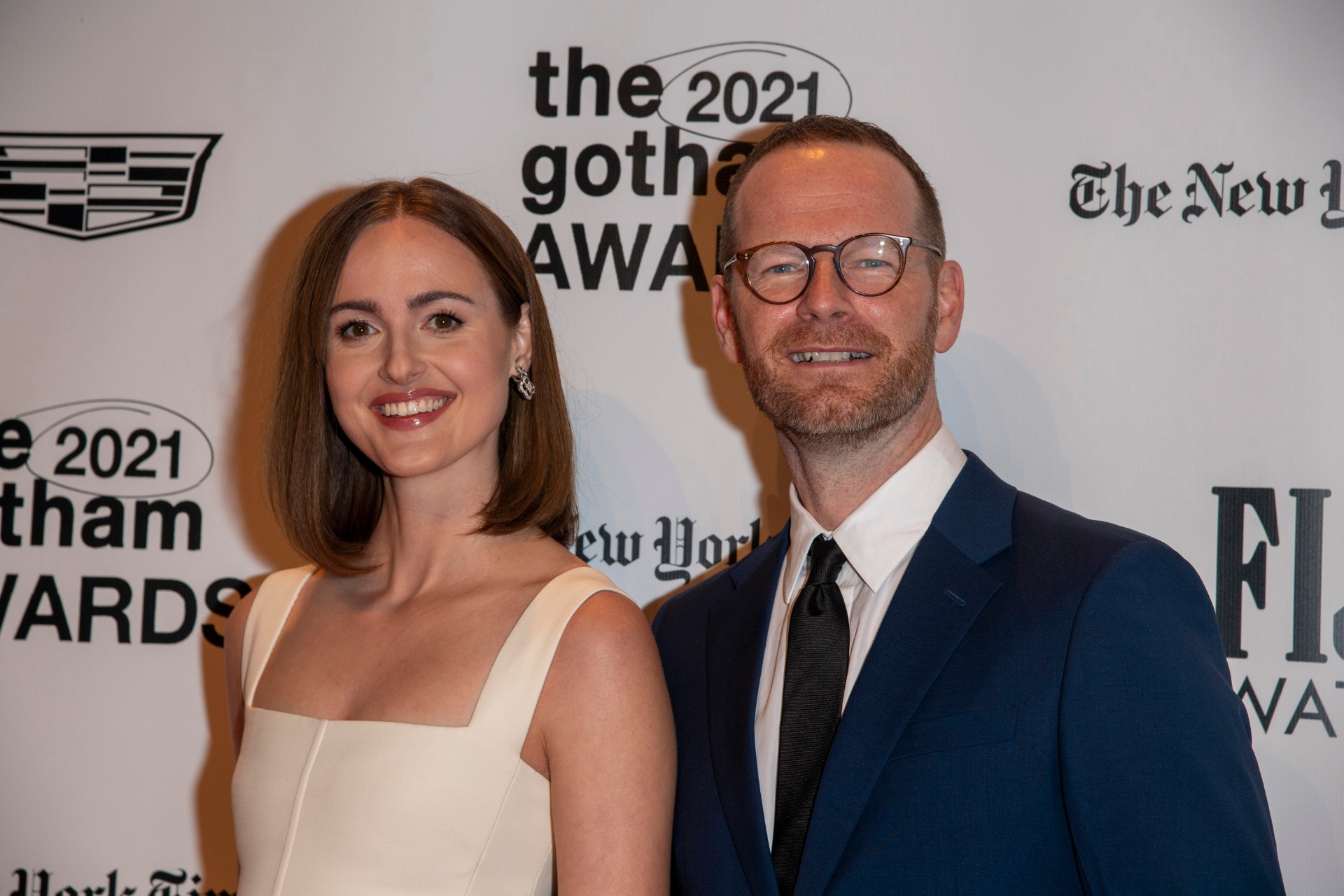
Joachim Trier was born on April 1, 1974, in Oslo, Norway. He graduated from the Norwegian Film School in 2000 and quickly gained recognition for his short films. His debut feature, “Reprise” (2006), set the stage for his distinctive approach to storytelling, blending elements of realism and existential exploration. Since then, Trier has continued to evolve, creating a body of work that reflects both personal and universal themes.
Distinctive Cinematic Style
One of the hallmarks of Trier’s filmmaking is his unique visual style, characterized by an intimate, almost documentary-like approach. He often employs handheld cameras, natural lighting, and a focus on the quotidian aspects of life. This style not only enhances the realism of his narratives but also invites viewers to engage more deeply with the characters and their experiences.
Influence of European Cinema
Trier’s work is heavily influenced by European cinema, particularly the French New Wave and the films of auteurs like Ingmar Bergman and Jean-Luc Godard. His films often explore existential themes and the complexities of human relationships, echoing the introspective nature of these cinematic predecessors.
Non-linear Narratives

Another defining feature of Trier’s work is his use of non-linear storytelling. In films like “Oslo, August 31st” (2011) and “Thelma” (2017), he employs a fragmented narrative structure that mirrors the psychological states of his characters. This technique allows audiences to experience the characters’ struggles in a more visceral way, creating a deeper emotional connection.
Thematic Preoccupations
Trier’s films often revolve around themes of identity, mental health, and the human condition. His exploration of these topics not only reflects his own experiences but also resonates with a broader audience, making his films relatable and poignant.
Identity and Self-Discovery
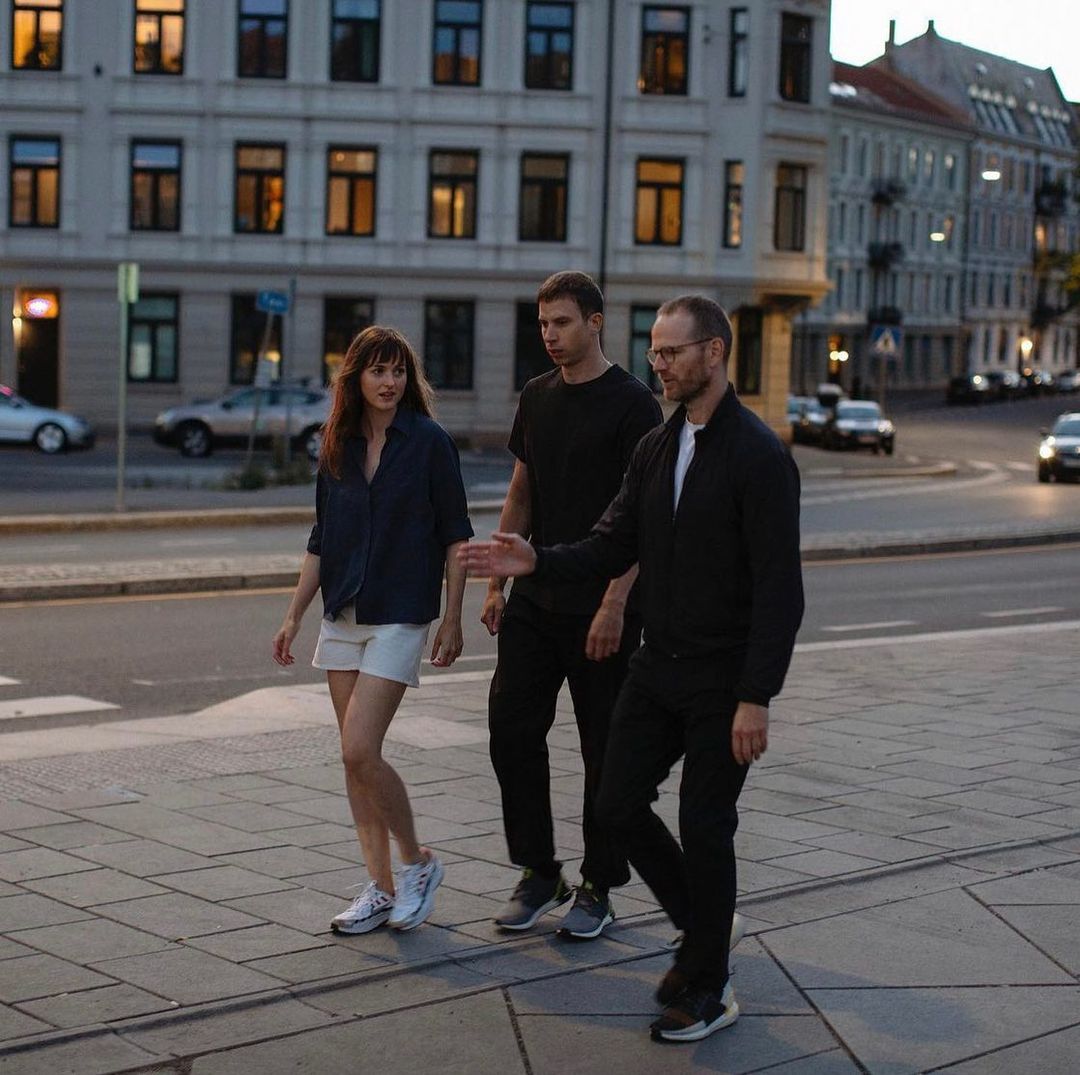
In “Reprise,” the story follows two young writers as they grapple with their aspirations and failures. This exploration of identity is a recurring theme in Trier’s work. His characters often find themselves at crossroads, confronting their desires and the realities of their lives. This theme is further developed in “The Worst Person in the World” (2021), where the protagonist, Julie, navigates her relationships and career in a quest for self-understanding.
Mental Health and Existentialism
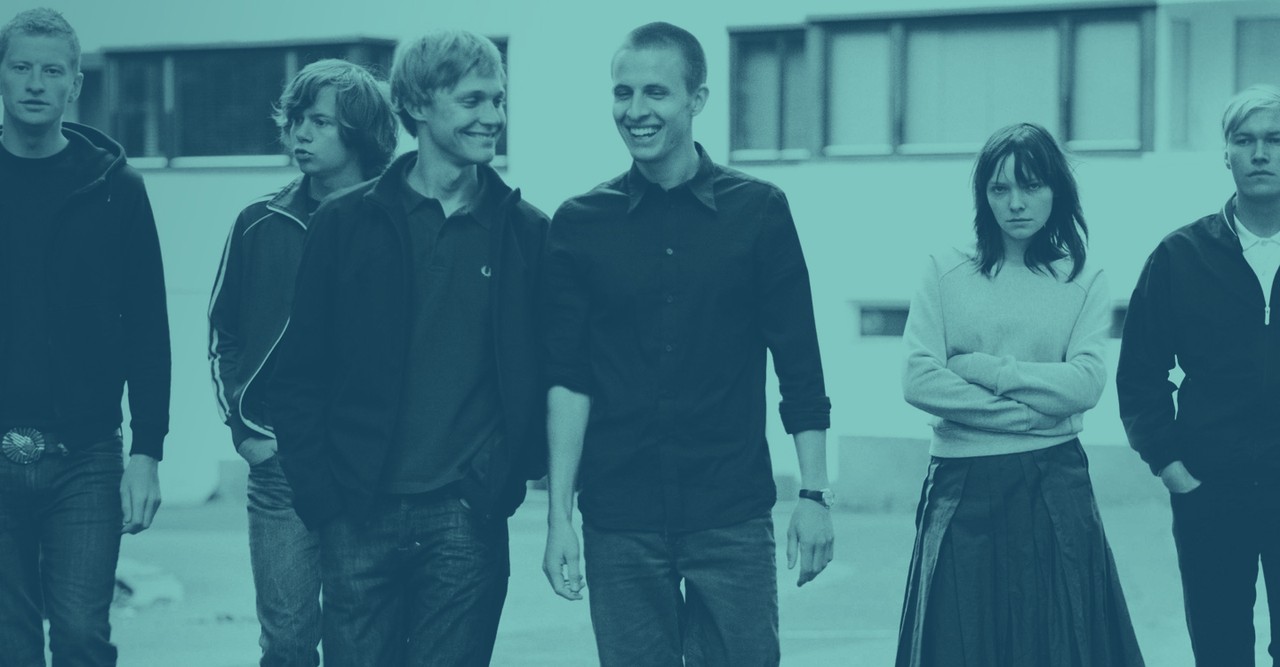
Trier does not shy away from portraying the complexities of mental health. In “Oslo, August 31st,” the film centers on a recovering drug addict who confronts his past and contemplates his future. The film’s raw and honest portrayal of addiction and depression invites viewers to engage with the harsh realities faced by many individuals. Trier’s willingness to tackle such heavy subjects is a testament to his commitment to creating meaningful cinema.
Impact on Contemporary Filmmaking
Joachim Trier’s contributions to contemporary cinema extend beyond his individual films. He has inspired a new generation of filmmakers who seek to blend personal narratives with broader social issues. His influence can be seen in the works of various contemporary directors who explore similar themes of identity and mental health.
Recognition and Awards
Trier’s films have received numerous accolades, showcasing his impact on the international film community. Some notable achievements include:
- Best Director at the Cannes Film Festival for “The Worst Person in the World.”
- Best Norwegian Film at the Norwegian International Film Festival for “Reprise.”
- Numerous nominations for the European Film Awards, including Best Film and Best Director.
These awards not only validate Trier’s artistic vision but also highlight the resonance of his themes within the global film industry.
A Case Study: “The Worst Person in the World”

Released in 2021, “The Worst Person in the World” serves as a prime example of Trier’s unique storytelling abilities. The film follows Julie, a young woman in her thirties, as she navigates love, career, and existential uncertainty in contemporary Oslo. It has been widely praised for its authentic portrayal of modern relationships and the struggles of finding one’s identity.
Critical Reception
The film received critical acclaim, with particular praise directed at its screenplay, direction, and lead performance by Renate Reinsve. Critics noted its ability to resonate with a diverse audience, reflecting the complexities of modern life. The film also garnered several awards, including:
- The Jury Prize at the Cannes Film Festival.
- Best Actress award for Renate Reinsve at the Cannes Film Festival.
Box Office Success
In addition to critical recognition, “The Worst Person in the World” achieved commercial success, grossing over $10 million worldwide. Its success underscores the potential for films that explore intimate, character-driven narratives to resonate with a broader audience.
The Lasting Legacy of Joachim Trier

Joachim Trier’s unique voice in contemporary cinema is characterized by his engaging storytelling, nuanced character development, and exploration of themes that resonate with many. His ability to tackle complex subjects such as identity and mental health with sensitivity and depth sets him apart from his peers. As his body of work continues to grow, Trier is poised to influence not only the landscape of Norwegian cinema but also the global film industry as a whole.
Through his commitment to authenticity and emotional truth, Trier invites viewers to reflect on their own lives while immersing themselves in the rich tapestry of human experience. As audiences seek more meaningful narratives, Trier’s films stand as a testament to the power of cinema to illuminate the human condition.
In summary, Joachim Trier is not just a filmmaker; he is a voice that echoes the complexities of modern life, making him a significant figure in contemporary cinema. His works challenge viewers to confront their own identities and the intricate web of relationships that define us all.