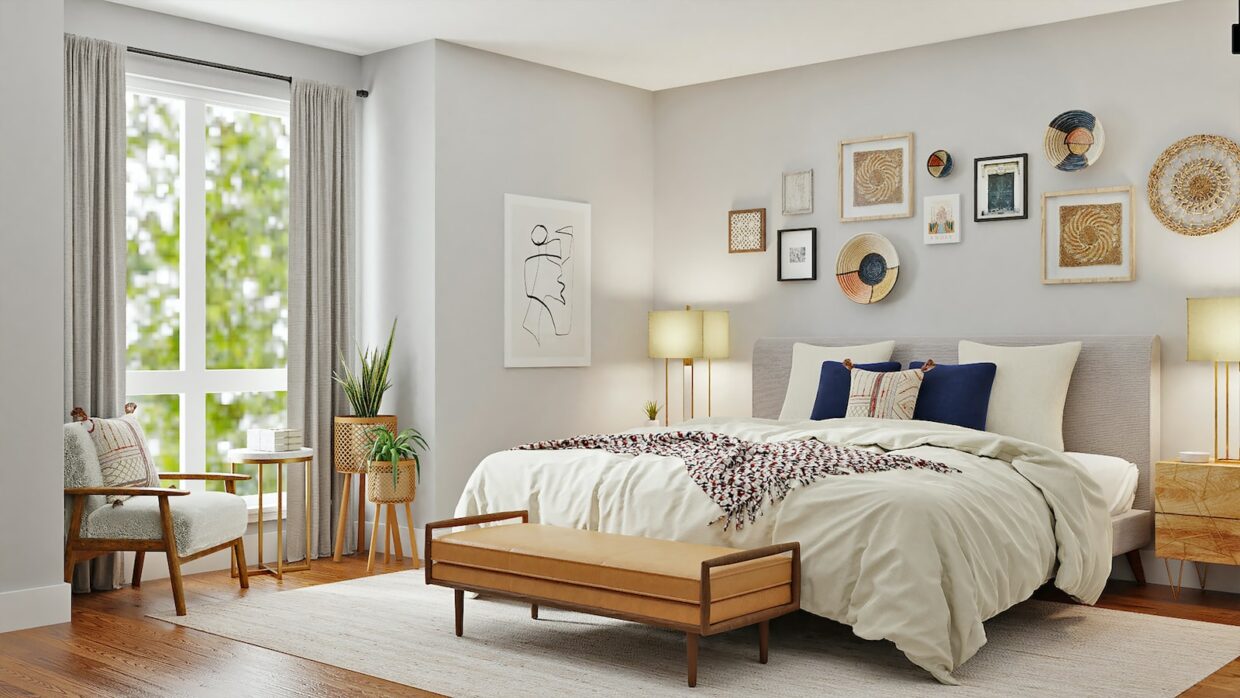
Decorating Your Bedroom: Here’s How to Create a Cozy Retreat
Your bedroom should be a sanctuary—a place where you can unwind, recharge, and feel completely at ease. But turning that vision into reality can feel overwhelming. Where do you start? What colors work best? How do you balance style with comfort? If you’ve been searching for tips on decorating your bedroom, here’s how to approach it with confidence. This guide will walk you through every step, from laying the foundation with paint and furniture to adding those final personal touches that make the space truly yours. Whether you’re starting from scratch or refreshing an existing room, these actionable ideas will help you create a cohesive, inviting retreat.
Start with a Calming Color Palette
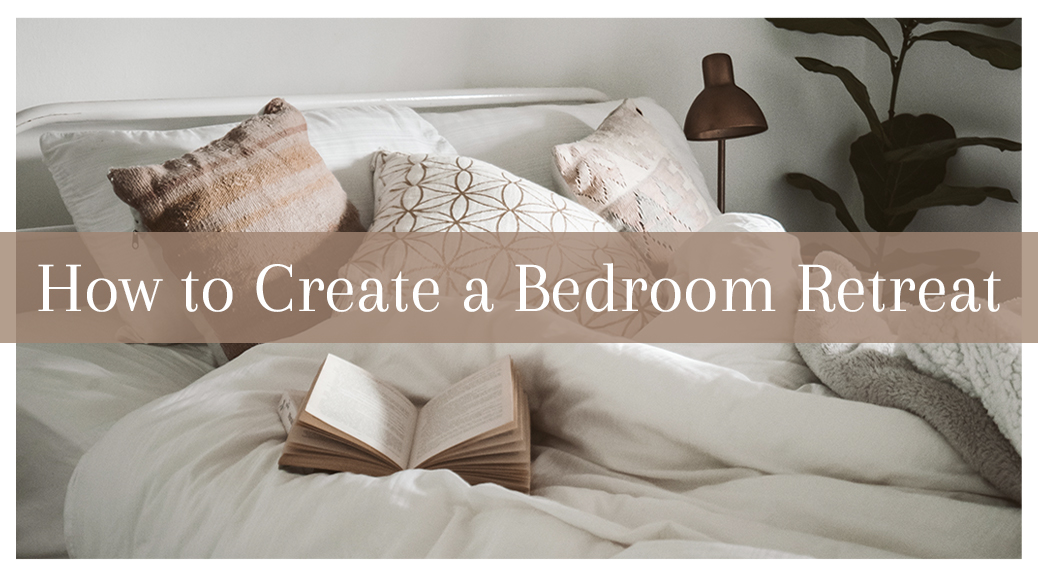
The colors you choose set the tone for your entire bedroom. For a restful atmosphere, opt for a palette of soothing neutrals like soft whites, warm beiges, or pale grays. These shades create a serene backdrop that makes the room feel larger and more open. If you crave a bit of color, consider muted blues, sage greens, or blush pinks—they add personality without overwhelming the senses. A common mistake is using too many bold colors; instead, stick to two or three hues and use them consistently. For example, paint the walls a soft white, introduce a sage green through an accent wall or bedding, and add warmth with wooden furniture or terracotta accessories. Remember, the goal is to foster relaxation, so lean toward colors that calm rather than energize.
Choose the Right Furniture for Comfort and Style
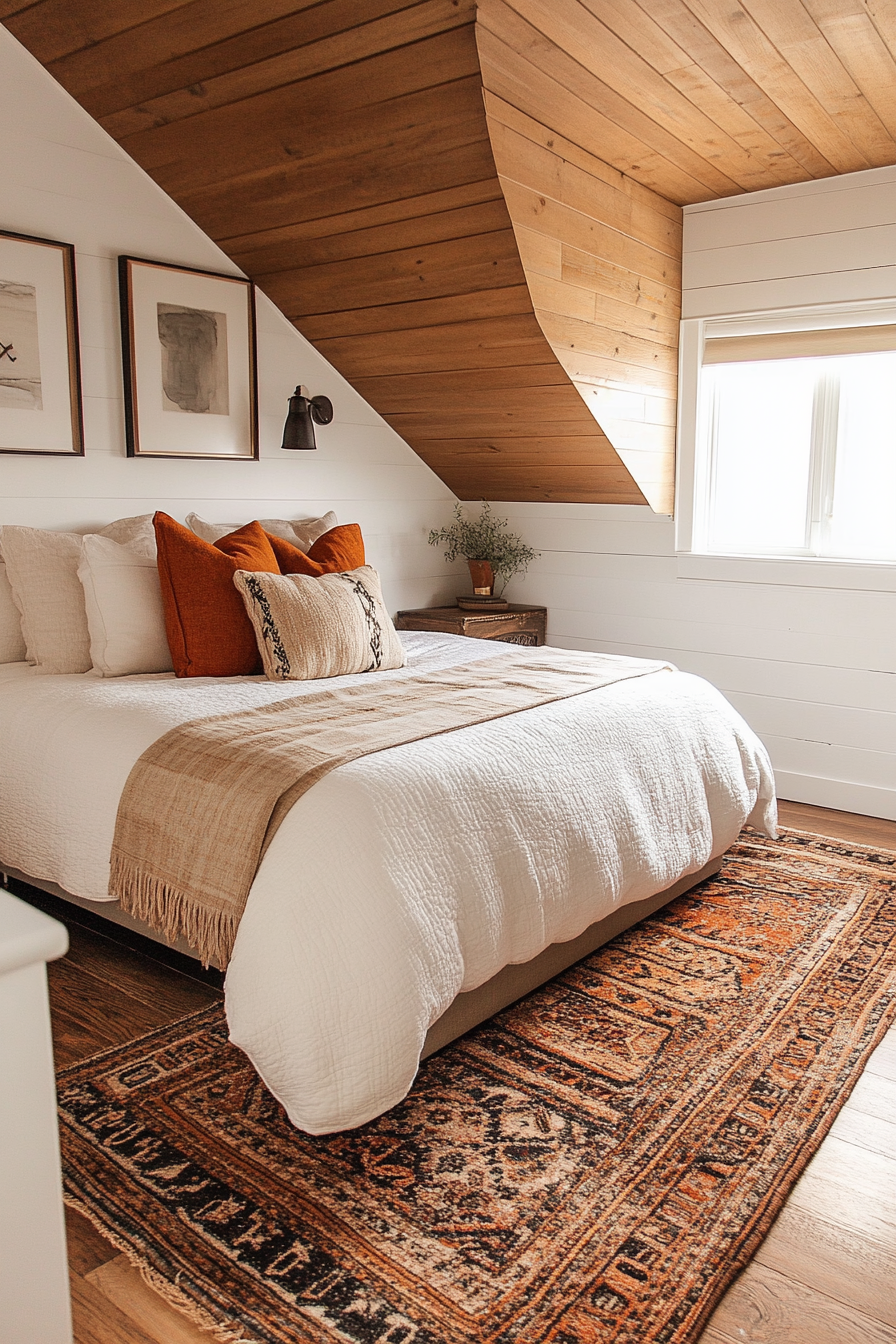
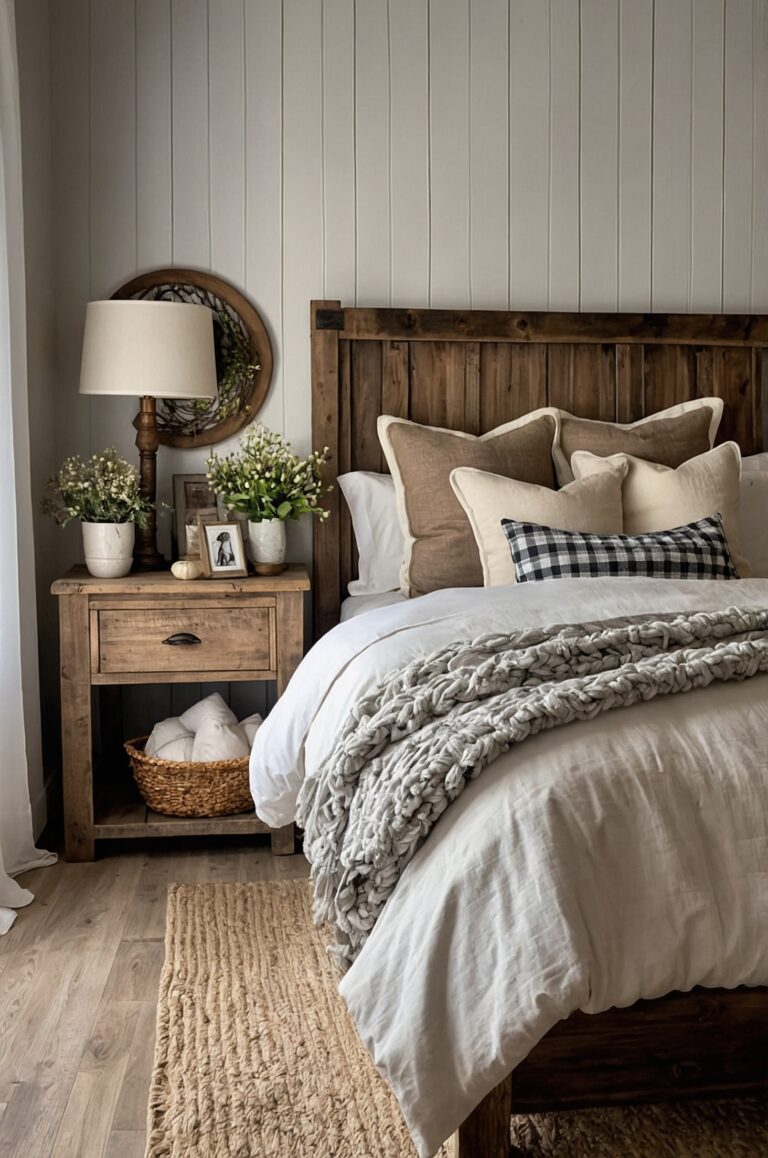
Your bed is the centerpiece of the room, so invest in a quality mattress and a frame that fits your style—whether that’s a minimalist platform bed, a classic upholstered headboard, or a rustic wooden frame. But don’t stop there: choose furniture that balances form and function. Nightstands should have drawers or shelves for stashing books, glasses, and chargers. A dresser or chest of drawers provides essential clothing storage, but consider its scale—it shouldn’t dominate the room. If space allows, a cozy armchair or a small bench at the foot of the bed adds seating and visual interest. When arranging furniture, prioritize flow: leave at least 24 inches of walking space around the bed, and place nightstands within easy reach. Avoid blocking windows or doors, and consider the room’s natural focal point—usually the bed—when positioning larger pieces.
Layer Your Lighting for Ambiance

Lighting can make or break a bedroom’s mood. Ditch the harsh overhead fixture in favor of layered lighting: ambient, task, and accent. Ambient lighting provides overall illumination—think flush-mount ceiling lights or dimmable overhead fixtures. Task lighting is for specific activities like reading; consider adjustable table lamps on nightstands or a swing-arm lamp mounted above the bed. Accent lighting highlights architectural features or decor, such as a picture light over art or a floor lamp in a corner. To create a cozy vibe, use warm light bulbs (2700-3000K) and install dimmers where possible. Don’t forget natural light: use sheer curtains to soften sunlight during the day, and blackout curtains for better sleep at night. The interplay of light and shadow adds depth and transforms the room from functional to luxurious.
Add Texture with Bedding and Rugs
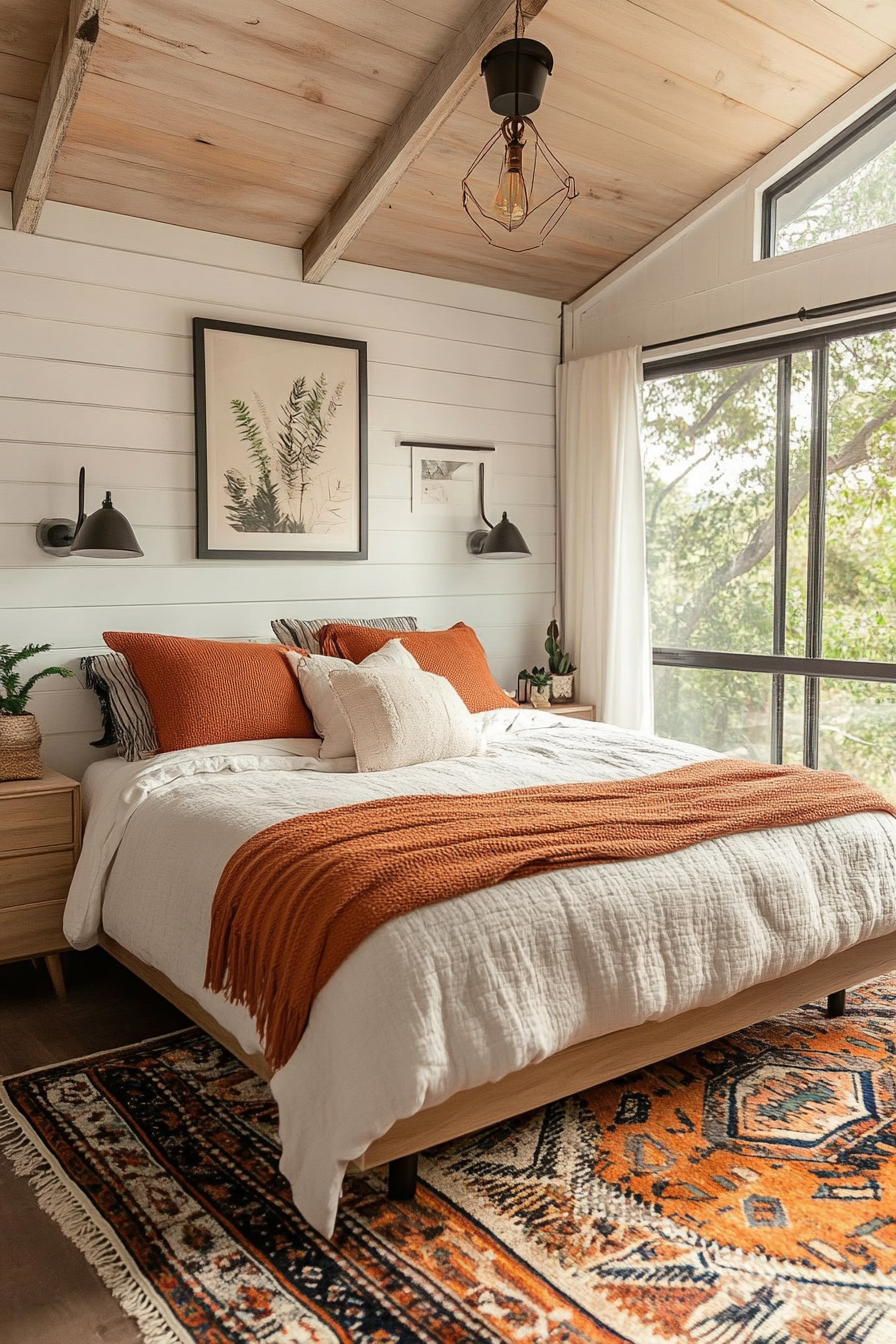
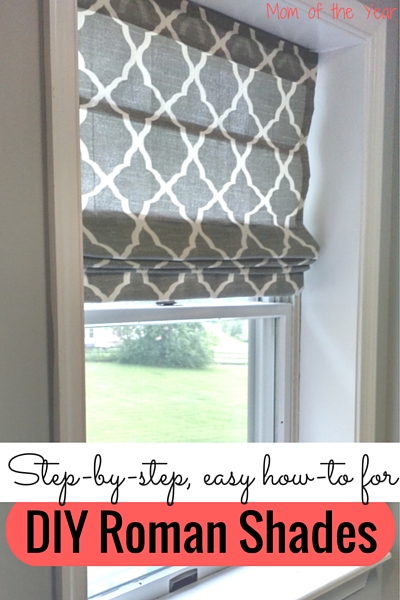
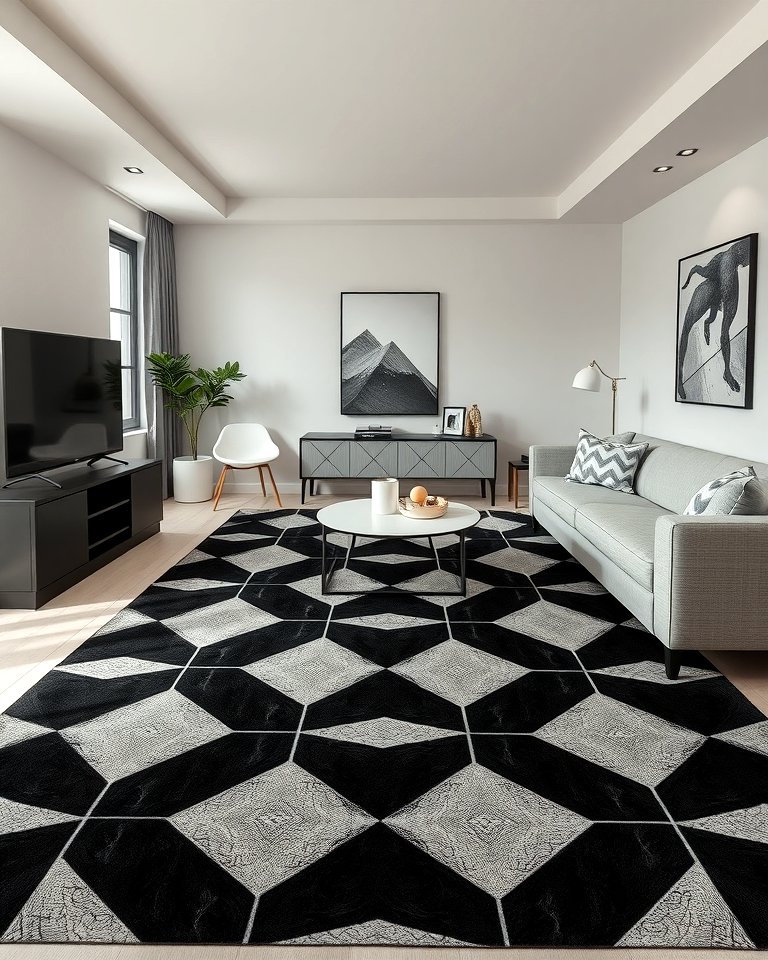
Texture is the secret ingredient that makes a bedroom feel inviting. Start with bedding: choose sheets with a high thread count (300-500) for softness, and layer with a quilt or duvet, a throw blanket, and an assortment of pillows. Mix materials like linen, cotton, and velvet for interest. A plush area rug anchors the room and adds warmth underfoot. For a cohesive look, pick a rug that complements your color palette—neutral patterns work well, or a soft shag for extra coziness. Don’t overlook window treatments: floor-to-ceiling curtains in a natural fabric like linen soften the room and enhance texture. Even small touches like a knitted pouf, a woven basket, or a velvet cushion can elevate the sensory experience. The key is to balance smooth and rough, soft and firm, so the room feels layered but not cluttered.
Incorporate Personal Decor and Art
Your bedroom should reflect your personality. Choose art that resonates with you—whether it’s a large canvas, a gallery wall of prints, or framed photographs. Keep the arrangement balanced; for a gallery wall, lay pieces on the floor first to plan spacing. Add sentimental items like a special vase, a collection of seashells, or a stack of your favorite books on the nightstand. Plants (real or high-quality faux) bring life and improve air quality—try a snake plant or pothos for easy care. However, avoid over-accessorizing; a few meaningful objects are more impactful than a crowded shelf. Use trays or decorative boxes to corral small items like jewelry and remotes, keeping surfaces tidy. Personal touches make the space feel uniquely yours, but always edit ruthlessly—if something doesn’t serve a purpose or bring joy, consider removing it.
Maximize Storage Without Clutter
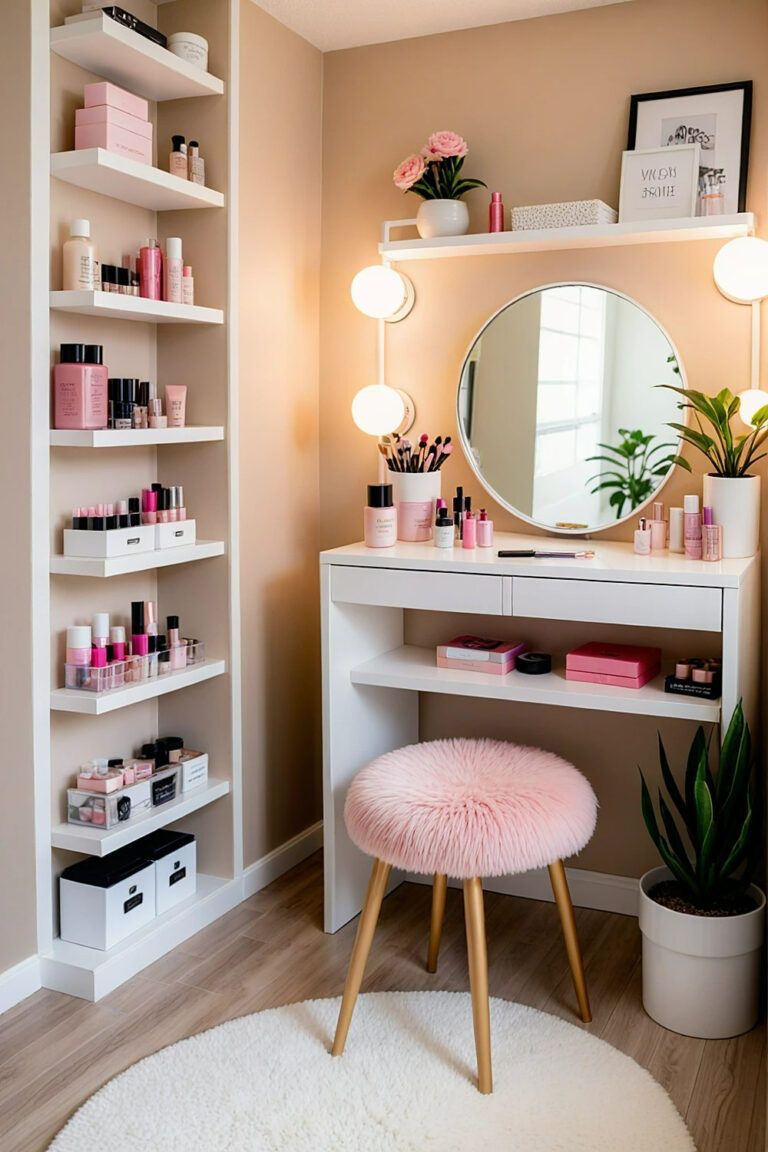
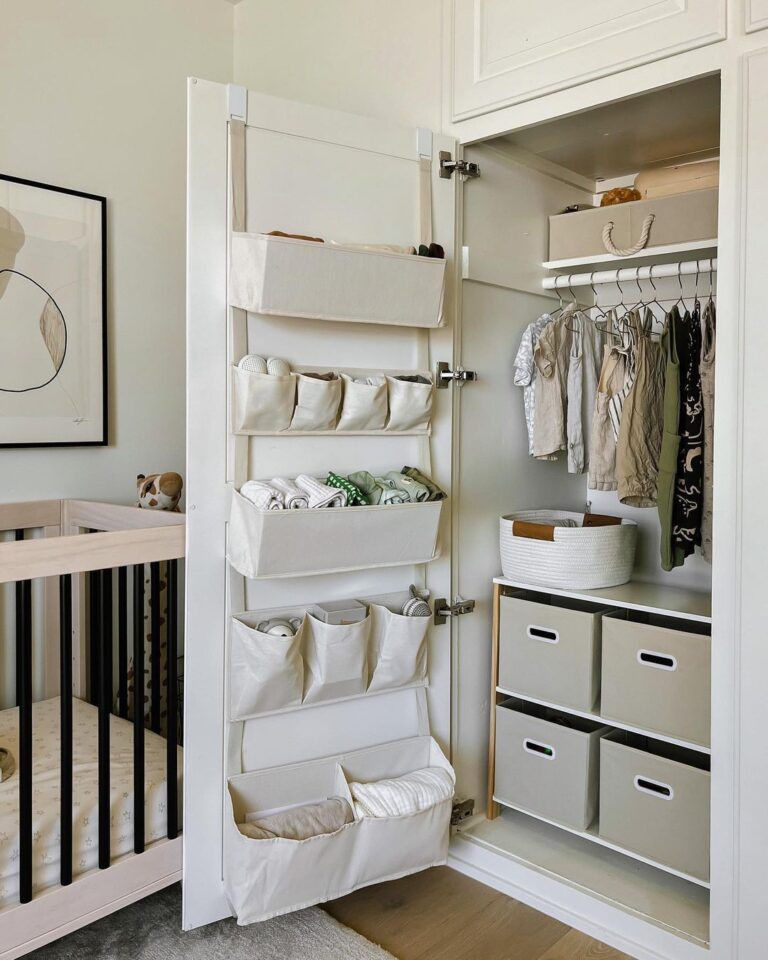
A clutter-free bedroom is essential for relaxation. Start by decluttering: donate or sell items you no longer use. Then, invest in smart storage solutions. Use under-bed storage bins for off-season clothing or extra linens. Choose a bed frame with built-in drawers if possible. Install floating shelves above the bed or in unused corners for books and decor. A dresser with deep drawers can store bulkier items, while a tall armoire provides hanging space. For smaller items, use decorative boxes on shelves or drawer dividers inside nightstands. Keep surfaces clear: limit nightstand decor to a lamp, a book, and a small tray. If you have a desk in the bedroom, use file holders and wall organizers to keep paperwork contained. The goal is to have a place for everything—when every item has a home, the room stays peaceful and organized.
FAQ: Common Bedroom Decorating Questions
What is the most important element in bedroom design? The bed is the focal point, so start with a quality mattress and bedding that you love. Everything else should complement it.
How do I choose a color scheme for my bedroom? Pick a neutral base (white, beige, gray) and add one or two accent colors from the cooler side of the spectrum (blues, greens, lavenders) for a calming effect. Use the 60-30-10 rule: 60% dominant color (walls), 30% secondary (furniture), 10% accent (decor).
Should I match all my furniture? Not necessarily. Mixing wood tones or styles can add character, but keep a common thread—like similar finishes or a unified color palette—to maintain cohesion.
How can I make a small bedroom look bigger? Use light colors, mirrors to reflect light, and furniture with exposed legs. Avoid heavy drapes; opt for blinds or sheer curtains. Choose a bed with a low profile to keep visual weight low.
What lighting is best for a bedroom? A combination of ambient (overhead), task (reading lamps), and accent (dimmers or wall sconces) lighting. Warm bulbs (2700K) and dimmers create a cozy atmosphere.
Transforming your bedroom into a personal sanctuary doesn’t require a complete overhaul—just thoughtful choices. Start with a calming color palette, invest in comfortable furniture, layer your lighting, and add texture through bedding and rugs. Personalize with decor that speaks to you, and keep clutter at bay with smart storage. By following these steps, you’ll create a space that not only looks beautiful but also supports rest and rejuvenation. Remember, the best bedrooms are those that feel like an extension of yourself—so take your time, experiment, and most importantly, enjoy the process.